
"That's not my job."
Patient care is not territorial.
"That's not my job."
I heard that in the middle of a case.
Ortho room. Tight. High pressure.
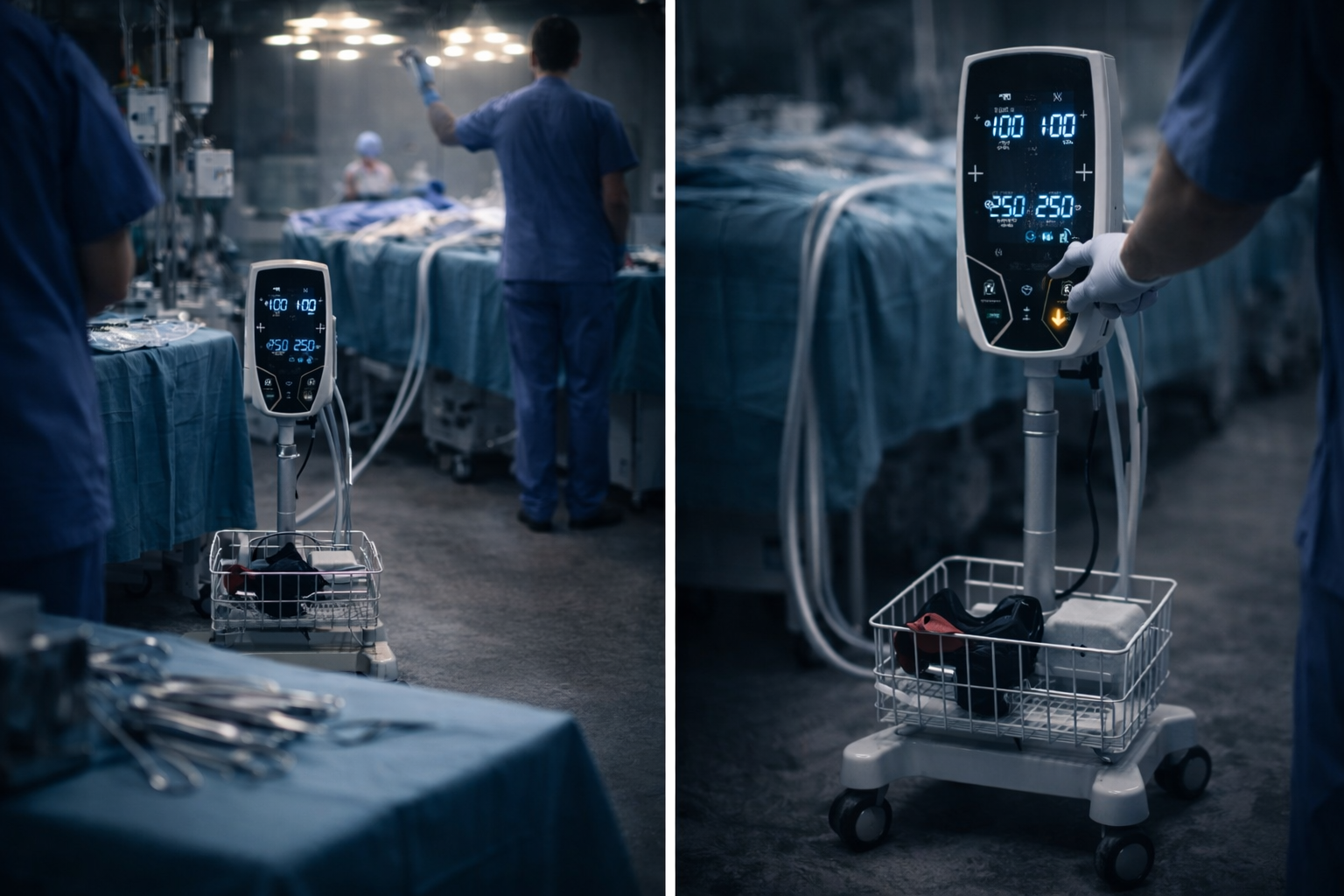
During a robotic joint procedure, I was on the opposite side of the room with the robotic equipment and surgical table between me and the tourniquet.
The surgeon looked directly at anesthesia — who was standing within arm's reach of the tourniquet — and asked for it to be let down.
Silence.
He asked again.
Still nothing.
At that point, I spoke up: "Let the tourniquet down."
They figured out how to release it, and the tourniquet finally came down.
After the case, I was told that letting the tourniquet down was "my responsibility" and that they had only done it as a favor.
Let me say this clearly:
Patient care is not territorial.
In high-stakes environments, the closest competent person acts.
No favors. No titles. No ego.
If something critical is within reach and no one acts because it's "not my job," that's the kind of thinking that can slow a team down.
Later, expectations were aligned. Training happened. The room improved.
Interestingly, after that, the surgeon would jokingly ask other anesthesia providers if they knew how to use the tourniquet box because apparently some colleagues had been having issues with it. The atmosphere changed from that point, and now all the tourniquet boxes have labels next to the button to let the tourniquet up and down.
But the lesson stuck:
Ego slows teams down.
Ownership moves them forward.
So here's the real question: When pressure rises, are you guarding your role... or protecting the patient?
Shared by
Oliver Ata
Stories from the OR Chronicles community — real experiences, real lessons.